The Big Three: Equifax, Experian, and TransUnion
The three major credit bureaus — Equifax, Experian, and TransUnion — maintain credit reports on almost all Americans with credit history. These reports include payment history, credit accounts, inquiries, and negative items. Lenders use these reports to decide whether to approve you and what interest rate to charge. Inaccurate information directly impacts your ability to borrow.
Dispute errors in writing, not by phone. Send certified mail with return receipt to prove you contacted the bureau. Include copies (not originals) of documentation supporting your dispute. The bureau must investigate within 30 days and report back. If they can't verify the accuracy of the error, they're required to remove it or correct it.
Some errors are creditor reporting mistakes, not bureau mistakes. If a creditor reported an account closed when it's open, or reported a late payment that didn't happen, dispute it with both the creditor and the bureau. The creditor must update their reporting within 15 days; the bureau must update within 30 days. Get both in writing.
Your credit report is free to check once yearly from AnnualCreditReport.com. Credit monitoring services cost extra ($10-15 monthly) but monitor your report automatically for changes and alert you to new accounts or inquiries. If you've had fraud or are a financial nervous person, it might be worth the cost. But the free annual report is sufficient if you check it carefully yearly.
How Creditors Report Information
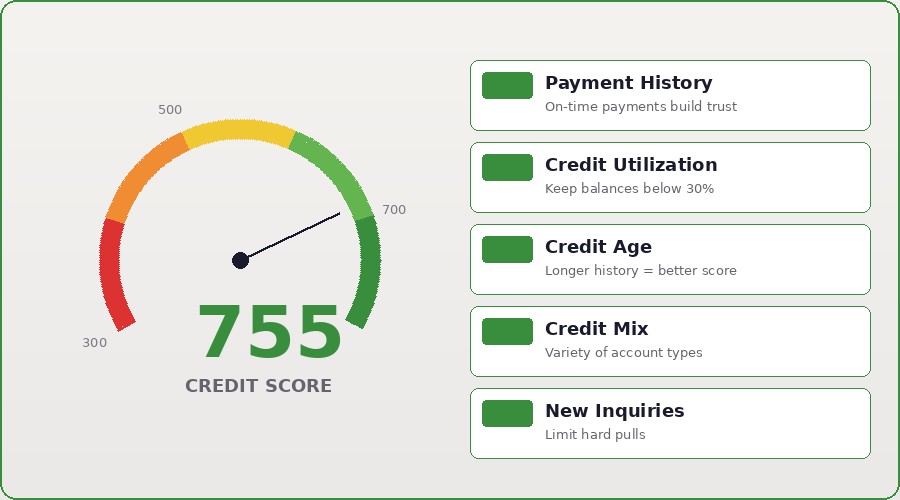
Good credit repair isn't a single move — it's a comprehensive approach combining multiple strategies simultaneously. Check your reports for errors (dispute inaccuracies), reduce balances (payment history and utilization), become an authorized user on positive accounts (mix and age), stay current on all new payments (the most important factor), and wait for negative items to age (time heals credit wounds).
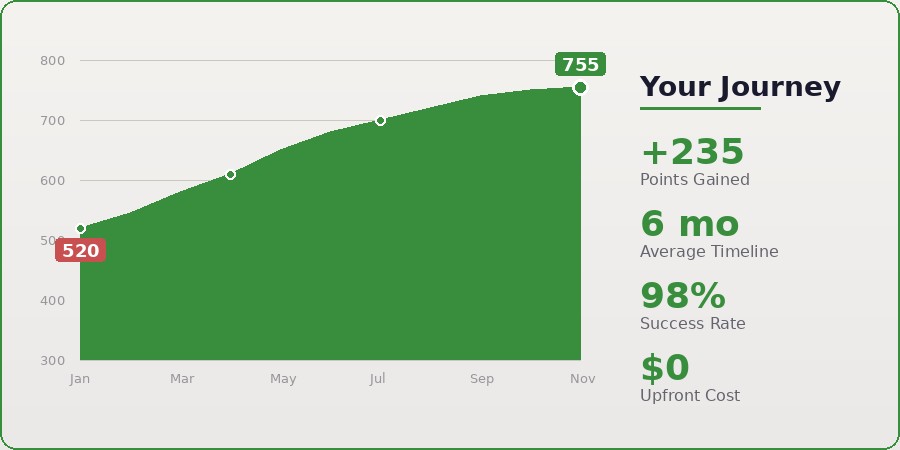
Credit-report updates and score changes take different amounts of time. A corrected error or lower reported balance may affect a score after the bureau receives the update. No particular score increase or completion date is guaranteed.
You can dispute inaccurate, incomplete, duplicated or outdated information for free. Accurate, current negative information generally cannot be removed simply because it hurts your score. See the CFPB’s explanation of credit-report corrections.
You may choose professional help with reviewing reports and organizing disputes, but you can dispute errors yourself for free. Before hiring a provider, compare its written services, fees and cancellation terms. Avoid promises of guaranteed removals or score increases.
Understanding Your Credit Report Sections
About 1 in 5 credit reports contain errors according to FTC studies — that's 40+ million Americans with wrong information on their credit reports. Errors range from incorrect balances to accounts that aren't yours to closed accounts listed as open. Your credit score is only as accurate as the information on your report, so checking it annually is non-negotiable.
Get free credit reports yearly from AnnualCreditReport.com (the only government-authorized free source). Check all three bureaus separately — Equifax, Experian, and TransUnion — because information varies. Look for incorrect accounts, wrong balances, inaccurate payment history, and accounts listed twice. Take detailed notes on any errors you find.
Once you spot an error, file a dispute in writing within 30 days of receiving your report. Send copies of documentation proving the error (account statements, payment receipts, proof of paid-off accounts). The bureau has 30 days to investigate and respond. Most bureaus process disputes faster now (10-15 days), but they're legally allowed 30 days.
Equifax, Experian, and TransUnion sometimes have different information because not all creditors report to all three bureaus. Your credit score with Equifax might be 680, with Experian 710, with TransUnion 695. This is why checking all three annually is important. If one bureau has an error the others don't, fix that bureau specifically.